

Avant-garde streetwear is defined as experimental, artistic fashion that deliberately breaks traditional rules of construction, silhouette, and function. Unlike mainstream streetwear, which chases logos and trend cycles, avant-garde fashion treats the garment itself as a statement of artistic intent. The types of avant-garde streetwear styles covered here span deconstructed tailoring, sculptural forms, dark utilitarian aesthetics, and refined minimalism. Each category pushes conventional design into bold new territory. If you refuse to blend in, these styles are your language.
1. What are the defining features of deconstructed avant-garde streetwear?
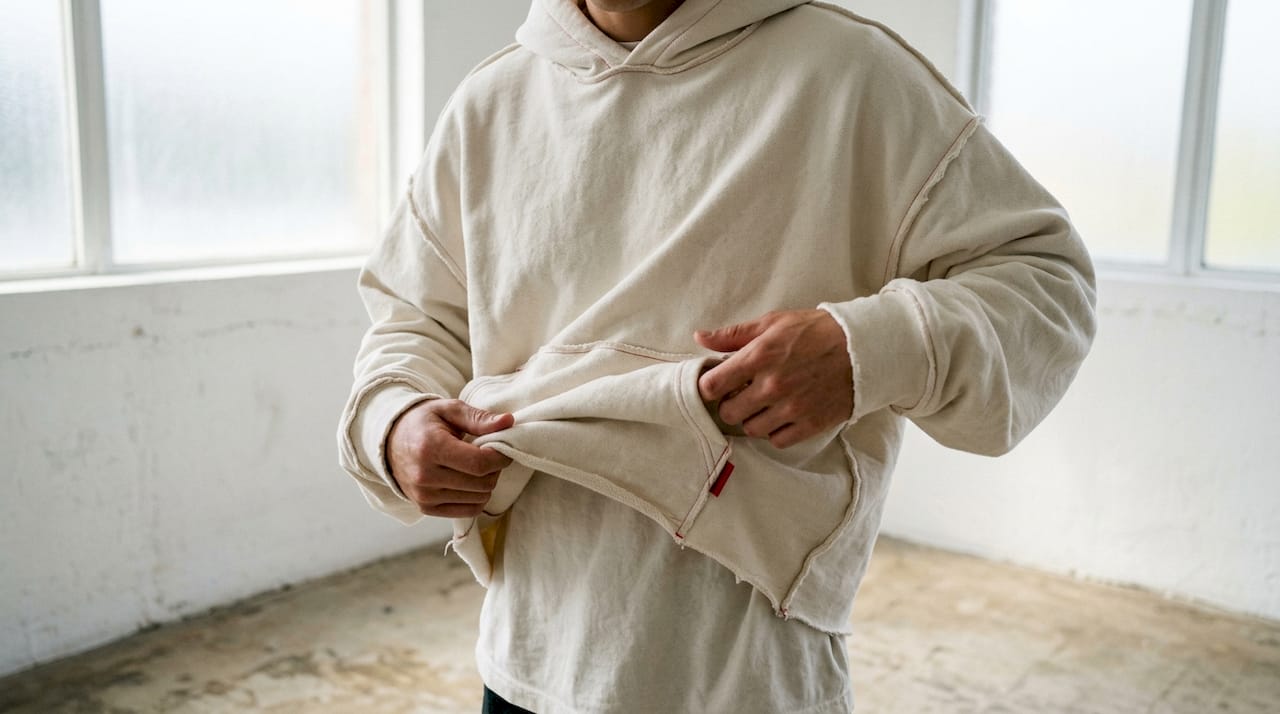
Deconstructed avant-garde streetwear is built on the idea of taking apart traditional garment structures and reassembling them in unexpected ways. The result is clothing that looks intentionally unfinished, yet is precisely engineered. This style is one of the most recognizable types of avant-garde fashion because its construction choices are visible and deliberate.
Key design features include:
- Exposed seams left on the outside of garments instead of hidden inside
- Raw hems that fray or curl rather than being folded and stitched clean
- Asymmetrical cuts where hemlines, necklines, or sleeves sit at uneven angles
- Modular elements like detachable panels or adjustable closures
- Technical fabrics including destroyed mesh, ripstop nylon, and bonded textiles
Avant-garde deconstruction uses raw edges, exposed seams, and asymmetrical hemlines to defy traditional garment structures. That defiance is the point. Every visible stitch is a rejection of the idea that clothing should hide its own making.
The Sukustreetwear raw edge hoodie is a direct example of this philosophy applied to wearable, everyday pieces.
Pro Tip: When styling deconstructed pieces, let one garment carry the complexity. Pair an asymmetric top with clean, straight-cut bottoms so the construction detail reads clearly instead of competing with other elements.
2. How does sculptural avant-garde streetwear transform clothing into wearable art?
Sculptural avant-garde streetwear treats garments as three-dimensional art installations worn on the body. The silhouette is the statement. Volume, form, and material choice matter more than color or branding.
Key characteristics of this style include:
- Architectural silhouettes that extend beyond the body’s natural shape
- 3D printing and laser-cutting used to create forms impossible with traditional sewing
- Unconventional materials such as Mylar, stainless steel mesh, and bio-derived fibers
- Biomimicry where garment shapes reference natural structures like bone, coral, or feathers
Sculptural design treats garments as art using laser-cutting, 3D printing, and materials including Mylar, stainless steel, and banana leaf-derived fibers. Exhibitions like Iris van Herpen: Sculpting the Senses at the Brooklyn Museum have brought this approach to mainstream cultural attention. That crossover matters because it signals that sculptural streetwear is no longer confined to the runway.
“Fashion is an expression of the human soul and a scientific exploration.” Iris van Herpen describes her work as exactly that intersection of art and science.
Sculptural pieces work best when worn with minimal accessories. The garment is the focal point. Everything else is noise.
3. Explore the dark and dystopian aesthetic within avant-garde streetwear styles
Dark avant-garde streetwear draws from themes of dystopian futures, urban survival, and quiet rebellion. The palette is muted. The construction is heavy. The attitude is deliberate.
This style category is defined by:
- Utilitarian silhouettes with multiple pockets, adjustable straps, and modular closures
- Durable synthetics like waxed cotton, ballistic nylon, and coated fleece
- Distressed finishes including bleach treatments, abrasion marks, and reworked archive pieces
- Industrial textures such as rubberized coatings, cargo-style paneling, and exposed hardware
- Layering systems where pieces are designed to be worn over or under each other
Dark avant-garde streetwear features utilitarian garments with multiple pockets, adjustable straps, muted color palettes, and industrial textures. Distressed graphics and reworked archive pieces complete the aesthetic. This is not fashion that asks for approval. It is fashion that assumes you already know what you stand for.
The appeal in urban fashion is real. Dark avant-garde communicates resilience without saying a word. The Sukustreetwear distressed panel pocket hoodie captures this energy in a piece built for daily wear, not just editorial shoots.
4. What role does minimalism and silence play in some avant-garde streetwear styles?
Minimalist avant-garde is the quietest category and often the most misunderstood. The absence of decoration is not laziness. It is a deliberate design choice that signals sophistication.
Core principles of this style include:
- Muted color palettes anchored in black, charcoal, off-white, and stone
- Refined construction where seams, drape, and weight carry all the visual interest
- No visible branding as a mark of confidence and taste
- Investment-grade garments designed to last decades, not seasons
Minimalist avant-garde focuses on garment longevity, subtle design, and a deliberate absence of branding as a mark of sophistication. Collectors keep these pieces for 10–20 years. That longevity is the opposite of trend-chasing, and it is exactly what makes this style category so powerful.
Minimalism contrasts sharply with sculptural and dark avant-garde styles. Where those categories use volume, texture, and hardware to communicate, minimalism communicates through restraint. The garment says everything by saying almost nothing.
5. How to choose and style avant-garde streetwear to express your identity authentically
Choosing avant-garde pieces requires a different mindset than shopping for mainstream streetwear. You are not buying a look. You are building a position.
Follow these principles when building your wardrobe:
- Prioritize movement over appearance. Garments engineered for dynamic wear perform differently in motion than on a hanger. Try pieces on and move in them before committing.
- Prepare for a reaction. Avant-garde style creates identity through contrast and rejection of norms. Not everyone will understand your choices. That is the point.
- Resist softening your look. Avant-garde streetwear resists being diluted for social media algorithms. If you start editing your style for likes, you lose the cultural power of the aesthetic.
- Build slowly and deliberately. A dark avant-garde wardrobe is a long-term investment in craftsmanship over trend-driven purchases. Buy fewer pieces. Buy better ones.
- Mix categories with intention. A sculptural top over dark utilitarian pants creates tension. That tension is the art. Do not resolve it by adding a conventional third piece.
Pro Tip: Start with one statement piece per outfit. Avant-garde works through contrast, not volume. One experimental garment against clean basics reads stronger than three competing pieces.
The Sukustreetwear drop shoulder t-shirt and distressed boxy tee are strong entry points for building contrast-based outfits without overwhelming your existing wardrobe.
Key Takeaways
Avant-garde streetwear is not a single style. It is a set of distinct categories, each defined by a specific design philosophy, construction method, and cultural attitude.
| Point | Details |
|---|---|
| Deconstruction is intentional | Exposed seams and raw edges are design choices, not flaws. They signal artistic intent. |
| Sculptural style treats garments as art | 3D printing, laser-cutting, and unconventional materials create wearable installations. |
| Dark avant-garde communicates resilience | Utilitarian construction, muted palettes, and distressed finishes define this category. |
| Minimalism signals sophistication | No branding and refined construction create pieces that last 10–20 years. |
| Authenticity is the core rule | Avant-garde identity is built through contrast and rejection of norms, not social approval. |
Why avant-garde streetwear is the only fashion worth paying attention to
Safe streetwear is killing streetwear culture. Predictable logos, algorithm-friendly neutrals, and trend-chasing have stripped the category of its edge. Playing it safe dilutes cultural impact. Avant-garde’s provocative contrasts are what preserve streetwear’s meaning.
I have watched this shift happen in real time. The brands that stopped taking risks became wallpaper. The ones that kept pushing construction, silhouette, and material into uncomfortable territory stayed relevant. That is not a coincidence.
What I find most powerful about avant-garde fashion is that it demands something from the wearer. You cannot put on a deconstructed jacket or a sculptural coat and remain passive. The garment forces a posture, a presence, a decision about who you are in public. That is rare. Most clothing lets you disappear. Avant-garde makes disappearing impossible.
Collecting avant-garde pieces is also a different kind of investment. These are not items you replace every season. They are objects with artistic and cultural weight that compound in meaning over time. The minimalist collector who holds a piece for 15 years understands something the trend-chaser never will.
Wear what you actually believe in. The rest is noise.
— SUKU
Sukustreetwear’s collection for the non-conformist
Sukustreetwear builds apparel for people who have already decided they are not interested in fitting in. The pieces are designed with the same principles that define avant-garde streetwear: bold silhouettes, deliberate construction, and messaging that means something.
The quarter-zip drop shoulder sweatshirt is a standout piece. Its oversized drop-shoulder cut and experimental proportions make it a strong foundation for contrast-based styling. Pair it with straight-leg bottoms or layer it under a heavier outer piece for a dark avant-garde effect. Every Sukustreetwear piece is built for people who treat their wardrobe as a daily statement of purpose, not a passive choice. Shop the full collection at Sukustreetwear.
FAQ
What is avant-garde fashion in simple terms?
Avant-garde fashion is clothing that challenges traditional design through experimental construction, unconventional materials, and artistic intent. It prioritizes artistic expression over commercial appeal or trend alignment.
What are the main types of avant-garde streetwear styles?
The main categories are deconstructed, sculptural, dark and dystopian, and minimalist avant-garde. Each uses distinct construction methods and design philosophies to reject mainstream fashion norms.
Why does avant-garde streetwear matter culturally?
Avant-garde streetwear preserves fashion’s capacity for disruption and identity-building. Safe, logo-driven streetwear dilutes cultural impact, while avant-garde styles maintain originality and artistic relevance.
How long do avant-garde pieces last?
Minimalist avant-garde collectors typically keep pieces for 10–20 years. The focus on craftsmanship and garment longevity makes these pieces a long-term investment rather than a seasonal purchase.
Can you wear avant-garde streetwear every day?
Yes. Dark and minimalist avant-garde styles translate well to daily wear through utilitarian construction and durable materials. The key is building outfits around one statement piece rather than layering multiple experimental garments at once.